Opening checkout
Rated 4.9 out of 5 Trusted by 20,000+ traders $10B+* traded weekly

Infrastructure built for low-latency trading.

Trading infrastructure in 8 Tier IV datacenters from Chicago to Tokyo.

  • SOC 2 Type II facilities
  • Tier-1 carriers and peering
  • 24/7 NOC and a 99.999% SLA

Infrastructure, hardware, and software behind your trading environment.

  • Monitor.Continuous oversight. Every server, every trading session.
  • Connect.A direct connection from our Chicago infrastructure to CME.
  • Protect.An uptime SLA backed by redundant power, cooling, and networks.
Latency
<1ms
To CME Group
Uptime SLA
99.999%
Service-credit backed
Network
10Gbps
Port speed
Locations
8
Global datacenters

Equinix, AMD Ryzen, AMD EPYC, Windows, and NVIDIA.

Facilities, routes and compute, designed as one trading layer.

A production trading environment is the complete path between workload and venue, not a list of disconnected specifications.

Six systems under every server.

Each layer covers a different failure point, from the building and its power up to the routes that reach the exchange.

  1. Tier IV Facilities

    99.999% uptime guarantee with fault-tolerant design and N+1 redundancy for all critical systems.

  2. Redundant Power

    Fault-tolerant N+1 utility and UPS systems, with diesel generators and 48+ hours of fuel on-site.

  3. Precision Cooling

    Fault-tolerant N+1 cooling maintains optimal temperatures through equipment failures.

  4. Network Redundancy

    Multiple tier-1 carriers with automatic BGP failover. No single point of failure.

  5. Always-on DDoS protection with advanced filtering

    Always-on mitigation with multi-layer filtering. Included on all plans at no extra cost.

  6. Exchange Connectivity

    Ultra-close proximity and cross-connections to CME, NYSE, NASDAQ, and major forex liquidity providers.

Redundant power and carriers, a 24/7 NOC and a 99.999% SLA under every plan. Cooling and network paths are redundant too.
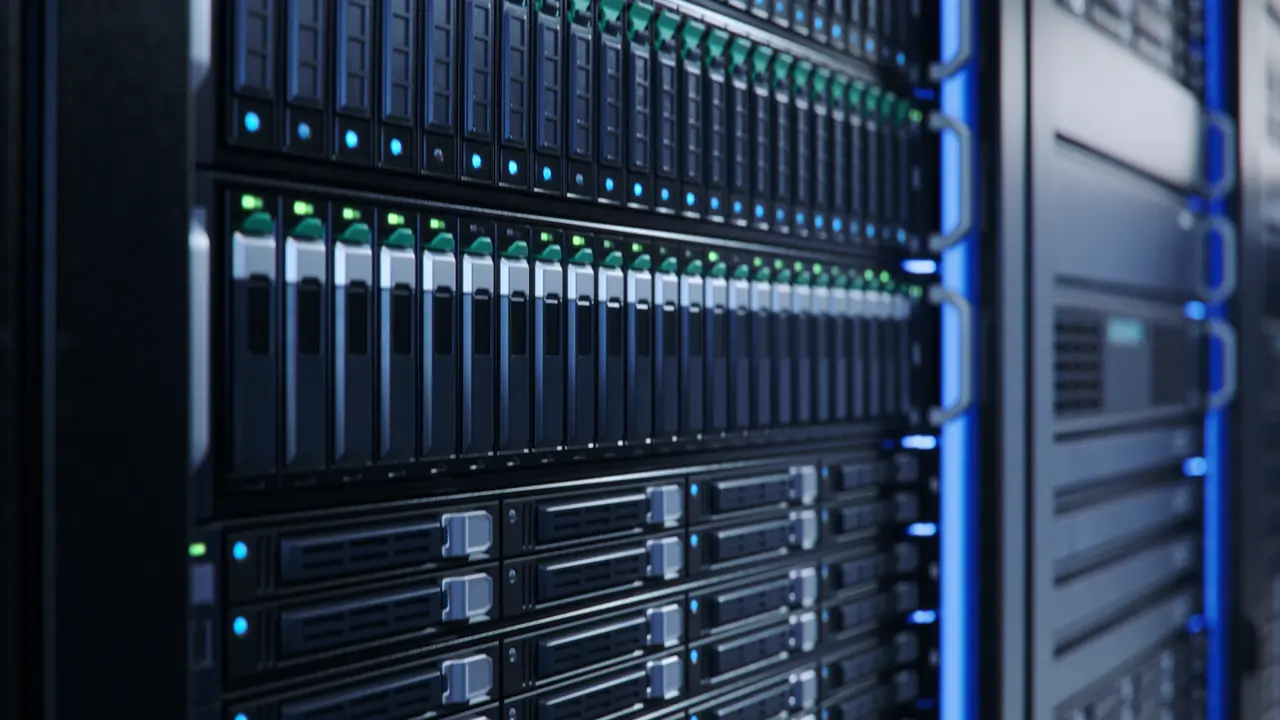
Enterprise-grade datacenters

The foundation for charts, automated strategies, and backtests that run around the clock.

Secure, resilient facilities designed around always-on financial workloads.

  1. Facilities in the markets traders need to reach

    Regional datacenters place private compute near the exchanges, brokers, data feeds, and APIs that receive the workload.

  2. Network paths designed around market destinations

    Carrier diversity and optimized routing reduce unnecessary network distance while preserving alternate paths.

  3. One managed layer from processor to incident response

    High-frequency AMD hardware, redundant facility systems, fleet monitoring, and 24/7 operations work together instead of as isolated claims.

What moves off your home computer, and the systems that keep it running.

Your trading platform needs a dependable place to run between the opening bell and the next session. Moving it into a datacenter separates the server from the power, internet connection, and sleep settings of your home computer. Disconnecting your remote desktop leaves the workload running on the VPS.

Resilience comes from the systems around that workload. Utility feeds, UPS capacity, generators, cooling, and upstream carriers each address a different failure point. Together with reserved compute and an operations team, they support the continuity that charts, automated strategies, and long-running research depend on.

Review hardwareAMD EPYC and Ryzen processors, DDR5 ECC memory, enterprise NVMe storage

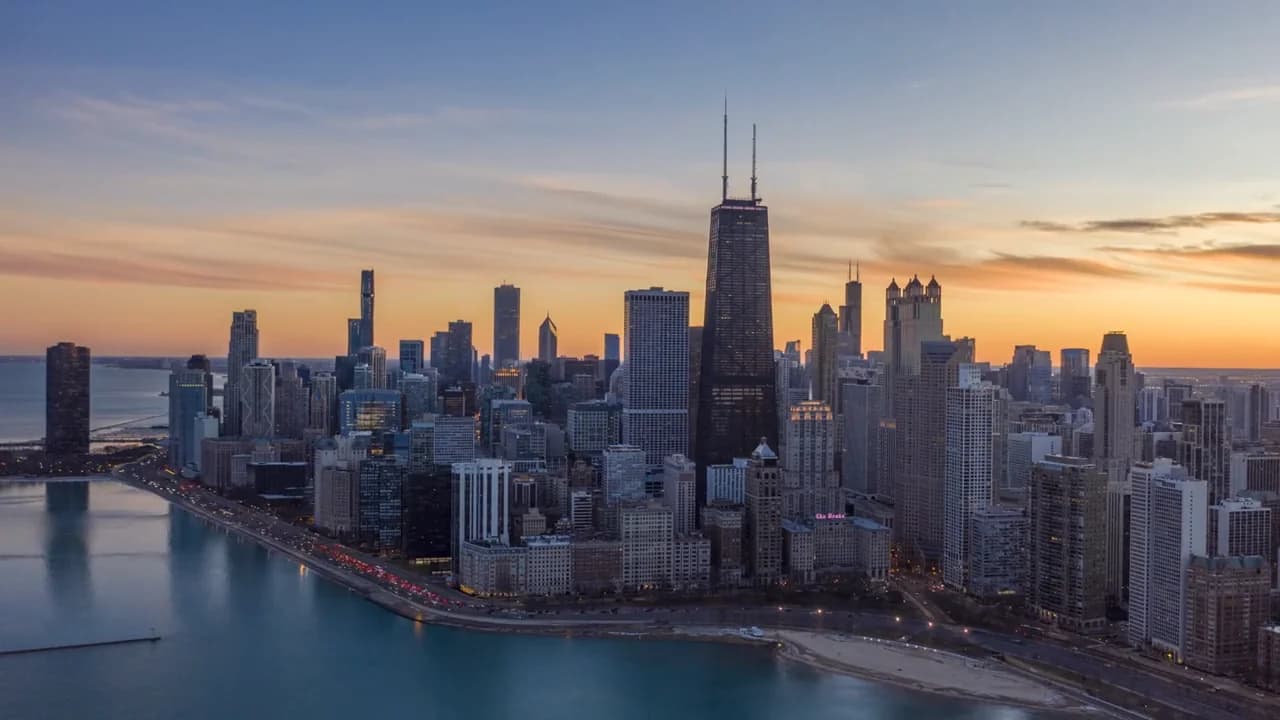
Engineered for the path your orders take: 0.52ms to CME, 0–2ms to NYSE and NASDAQ, 0–10ms to NY4 and LD4.

Our network is engineered for trading. Premium tier-1 carriers, BGP-optimized routing, and direct peering with financial exchanges keep traffic on low-latency paths with alternate routes available. That network is covered by a 99.999% uptime SLA, with our 24/7 Network Operations Center watching every route.

Direct, low-latency connections to major financial venues:

CME Group, NYSE, NASDAQ, ICE, and major forex liquidity providers

  1. Chicago

    to CME Globex

    : 0.52ms

  2. New York

    to NYSE and NASDAQ

    : 0–2ms

  3. New York, London

    to NY4 and LD4 brokers

    : 0–10ms

  4. Tokyo

    to Binance and Bybit

    : 0–1ms

Place the platform near its destination so orders and data feeds travel a shorter network path. Latency varies with your broker gateway and route.

Multiple tier-1 carriers

Alternate carrier paths with BGP-based rerouting

Diverse upstream connections give traffic another route when a carrier degrades, helping keep platforms connected through network disruption.

BGP-optimized routing

Traffic always takes the lowest-latency path to your destination

Unmetered bandwidth

No data caps or throttling on any plan.

Data feeds, chart backfills, platform updates, and remote sessions share the same unmetered allowance. Keep your workspace moving through busy market opens and high-volume sessions.

How placement and carrier diversity solve different problems.

A trading session puts several kinds of traffic on the same connection: live quotes, chart history, order messages, and your remote desktop. The network needs to accommodate those workloads together, particularly when charts backfill or market activity increases. Unmetered bandwidth keeps that activity within one allowance.

Short routes and resilient routes solve different problems. Placement reduces the distance to your destination; carrier diversity provides alternatives when a path degrades. The NOC watches latency and packet loss alongside server health, helping engineers distinguish a route issue from pressure inside the trading workspace.

Explore the trading EdgePremium tier-1 carriers, BGP-optimized routing, and direct peering.

Every plan runs on the same 99.999% infrastructure.

99.999% monthly VPS availability, backed by our SLA. Availability and service-credit eligibility are assessed monthly under the SLA’s measurement rules, coverage and exclusions.

  • Core infrastructure. Redundant systems ensure continuous operation.

  • Network availability. Multiple carriers and automatic failover.

  • SLA-backed promise. Contractual uptime guarantee with credits.

99.999% Uptime SLAMonthly VPS availability. Illustrates the commitment, not measured service history.

Server & network availability · 99.999% SLA

Every market sessionAround the clock

View live status

Tier IV datacenters, operated and protected around the clock

Tier IV.

Concurrently maintainable facilities. Built to keep your trading environment running.

Compare plans

Security and compliance: SOC 2 Type II facilities, biometric access, isolated environments, DDoS protection.

From the datacenter door to your private trading environment: controlled access, network protection, isolated resources, and engineers watching around the clock.

Physical Security

24/7 security personnel, biometric access, mantrap entry, and comprehensive CCTV coverage.

Access controls protect the facility that houses your server, while redundant power and cooling support continuous operation.

Network Security

Enterprise firewalls, IDS/IPS systems, and continuous threat monitoring. Included on every plan.

  • Always-on DDoS protection with advanced filtering

    Multi-layer filtering at the network edge helps keep attack traffic away from your trading environment.

  • Traffic inspection

    Firewalls and intrusion detection and prevention systems help identify suspicious network activity.

  • Continuous oversight

    The NOC monitors network health and DDoS signals alongside latency and packet loss.

Isolation

Your workload. Your environment.

Hardware-level virtualization separates your VPS from other customers. A dedicated IP and reserved CPU, memory, and storage give your trading workspace its own resources.

Dedicated servers give you the entire physical machine.

QuantVPS hostSold once, with headroom

Your cores, memory and storage stay reserved for you.

Illustration, not live data.

Compliance

SOC 2 Type II certified datacenters with strict adherence to industry standards.

Certification refers to the datacenter facilities. Your applications, broker credentials, and trading controls remain yours to manage.

Know what is protected. See how it is operated.

Facility, network and isolation controls, and how recovery follows your plan.

Protection starts before traffic reaches your desktop. Facility access controls protect the physical equipment; network filtering addresses suspicious traffic; isolated resources separate customer environments. Inside your server, you retain control of platform configuration, account access, and the credentials used to connect to your broker.

Recovery is a separate part of the plan. Backups provide a recovery point, while mirrored storage helps protect against a drive failure. Keep your workspace files and strategy settings organized. Review the coverage included with your chosen plan, so the recovery process matches how you use the server.

See every security layerFrom the datacenter door to your private trading environment.

What surrounds every deployment: monitoring, network protection and support you can see.

Customer-visible monitoring, network protection, and support for the infrastructure you run.

24/7 coverage for live tickets

Support can separate server faults from platform and data-feed issues before choosing the next step.

Global locations
8
Platforms & data feeds
40+
Prop firms supported
31+
Live ticket coverage
24/7
  1. Detect
  2. Investigate
  3. Respond
Engineer holding a laptop inside a datacenter

Always online. Always human.

Illustration of the support desk.

Resource and uptime data in the dashboard

Review CPU, memory, storage, network, and availability data without opening a support ticket.

Resource monitoring

Example · 60 minutes

CPU usage

21%

Peak 51%CPU utilization

Network usage

78Mbps

ReceivedSent · 24 Mbps

Illustrative data. Hover, touch, or use arrow keys to inspect.

Resource monitoring preview

Check resource headroom when adding charts, indicators, or another platform. Compare what your workspace is using before deciding whether it needs more CPU or memory.

Continuous monitoring

Engineers behind the alerts.

The 24/7 NOC watches server health, network latency, packet loss, DDoS signals, and hardware anomalies. Engineers investigate infrastructure issues and coordinate the response.

Resource and uptime data are visible in your dashboard.

Recovery & resilience

Recovery that follows your plan.

Backup coverage follows the selected plan: every VPS plan, Standard and Performance, includes automatic off-site backups, while dedicated plans use RAID1 redundant storage. The live plan comparison remains the source of truth.

RAID1 is not a backup. Recovery coverage follows your selected plan.

How to compare your own sessions, and what helps the team investigate.

Use the dashboard to understand your workspace as it grows. Check CPU, memory, storage, and network usage after adding indicators, opening more charts, or starting a backtest. A useful comparison is your own typical session against the heavier workload, rather than a single utilization reading in isolation.

If something changes during a session, the team can investigate the infrastructure alongside the details you provide. The server, affected platform, broker or data feed, and time of the issue help narrow the search. Public status updates and the NOC response process give you another way to follow what is happening.

Inside the 24/7 NOCEngineers behind the alerts.

Compute behind the network: PassMark reference scores per plan, and GPU servers on request.

Compare current CPU benchmarks or deploy a dedicated GPU server with NVIDIA RTX graphics.

Compare the CPU reference scores

Compare PassMark CPU reference scores across the current lineup. Single-thread results matter for live charts, order entry, and strategy ticks; multithreaded performance matters for optimization, scanners, and replay.

Reference PassMark CPU MarkHigher is better
VPS Starter+ · AMD Ryzen8,100
VPS Pro+ · AMD Ryzen22,200
Dedicated+ · AMD Ryzen65,708

Logarithmic scale from 1,000 to 65,708. Bar lengths are not proportional to scores.

Reference scores derived from PassMark's published CPU Mark for the installed processor (cpubenchmark.net, data through 2026-10-05), scaled to each plan's vCPU allocation. Dedicated servers show the bare-metal average. Not a live test of this VPS.

Dedicated+ scores are for the Ryzen 9 9950X (65,708 CPU Mark, 4,728 single-thread). Some Dedicated+ servers run the Ryzen 9 9900X: 54,290 CPU Mark, 4,670 single-thread.

Dedicated GPU servers are available now

NVIDIA RTX graphics support Bookmap heatmaps, DOM, footprint charts, Volume Profile, market replay, and dense multi-chart workspaces. GPU availability is currently limited to dedicated servers.

Contact the team if you need a dedicated GPU configuration today.

Power, hardware and people: the targets and commitments behind the SLA.

Targets and operating commitments for the physical footprint and the people who keep the service running.

These are targets and operating commitments, not certifications. The SOC 2 Type II certification belongs to the datacenter facilities, covered in the security chapter.

Renewable energy target
100%
Carbon emissions goal
Net zero
Data center efficiency
PUE 1.2
Profits donated annually
1%+
  • Efficiency criteria for facility selection

    Facility standards, energy-efficiency programs, and renewable-energy targets are considered when placing infrastructure.

  • Responsible sourcing and useful service life

    We prefer responsible sourcing practices and keep capable hardware in service while it continues to meet the workload.

  • Fair employment and durable operations

    The operating model includes equal opportunity, equal pay, above-average compensation, and infrastructure choices designed for a long, useful service life.

View BenchmarksPassMark reference scores for every plan

Trading infrastructure FAQ.

These answers cover the facilities, network, availability commitment, and managed operations behind your VPS. They also explain where infrastructure monitoring ends and the platform or broker connection you manage begins.

For a particular workload, compare locations and plan coverage alongside these answers. Our team can help you understand the server resources, connection path, and recovery options relevant to your setup.

Sound familiar?5 common ones

Ever missed a setup because you were away from your desk?

Market data keeps flowing and your strategies keep running.

If any of these sound familiar, a trading VPS is the fix.

Eight datacenters placed by market: Chicago next to CME for futures, New York for US equities, options, and NY4 forex brokers, London for FX, Dublin for Polymarket, Tokyo for APAC crypto, Singapore for regional broker and API endpoints, and Amsterdam and Frankfurt across the European corridor. Polymarket decides eligibility by your physical location. Check that you're allowed to trade where you are.

Placement first: servers sit in the same metros as the matching engines. Then routing: tier-1 carriers, BGP-optimized paths, and direct peering with financial networks keep orders off the congested public internet.

QuantVPS deploys in SOC 2 Type II certified, Tier IV facilities with fault-tolerant power and cooling, 24/7 on-site security, and biometric access controls. See how access is controlled.

Yes. Hardware-level virtualization separates every environment, each VPS gets a dedicated IP, and allocated CPU, memory, and storage are reserved for you. See how your environment is isolated.

Choose Chicago for CME futures and Kalshi, New York for NYSE, NASDAQ and NY4 brokers, London for LD4 brokers, Dublin for Polymarket, or Tokyo for Binance and Bybit. Amsterdam and Frankfurt cover European workloads. Polymarket decides eligibility by your physical location. Check that you're allowed to trade where you are. Compare the datacenter routes.
See all FAQAnswers on servers, latency, access, security and support.